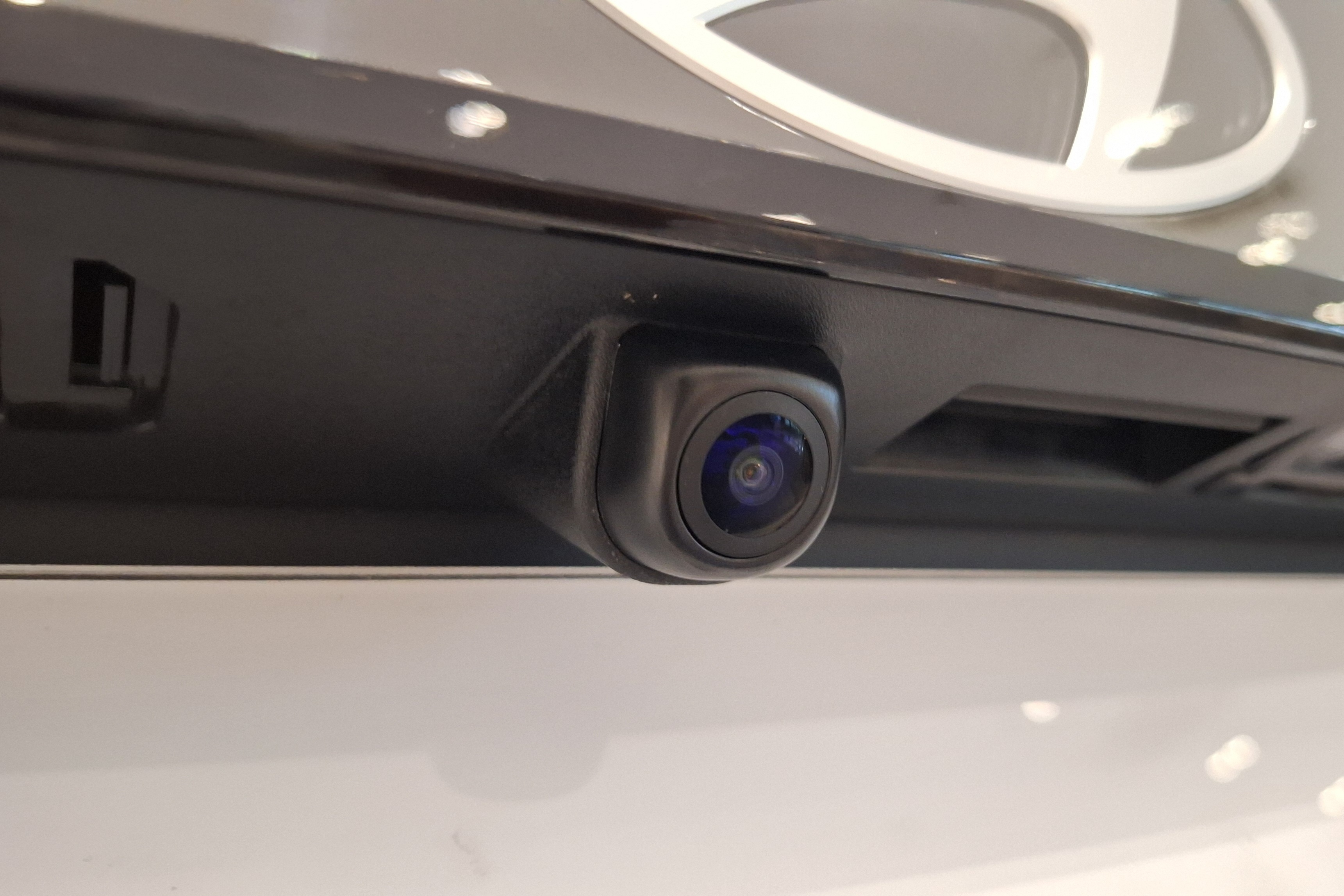
How Reversing Cameras Work and Their Benefits for Drivers
Parking a car is easy and difficult at the same time. Sometimes you think you're safe, but you still scrape the car because you missed a small object. This is where reversing cameras come to the rescue. These small devices, which are usually embedded in the rear bumper, provide a real-time visual of the conditions behind the car without you having to turn your head repeatedly.
Car manufacturers are increasingly aware of this need. That's why almost all the latest car models come with a rearview camera as standard. Its function is clear: to make parking and maneuvering easier, especially for novice drivers.
Functions of a Car's Rearview Camera
Many people still think that rearview cameras are the same as parking sensors. However, they are very different. Parking sensors only provide a warning sound when an object is approaching. Meanwhile, rearview cameras directly display real-time visuals on the head unit screen, which is clearly more informative.
You can monitor the area behind the car in more detail, even in traffic jams. Rearview cameras also help maintain a safe distance from other vehicles, especially during stop-and-go traffic.
Interestingly, some modern rearview cameras come with additional features. For example, color indicators that turn red if the car is too close to an object. There are also models that have good visibility in rainy or dark conditions.
So, in addition to reducing blind spots, rear view cameras also expand the driver's field of vision. Even so, the basic rule remains the same: don't be lazy about looking in the mirrors and occasionally glance behind you to make sure everything is safe.
How Rear View Cameras Work
Rear view cameras automatically activate when the transmission lever is moved to the R position. Once the lever is in reverse, the head unit screen immediately displays the conditions behind the car. Generally, the camera's range is around 3-5 meters, depending on the type.
On the screen, you will also see guide lines that follow the direction of the steering wheel. When you turn left, the lines will curve to the left to help you estimate the car's trajectory. The combination of the rear camera and sensors will also provide a warning in the form of a red light and an alarm sound if the distance is getting too close.
When the rearview camera is active, audio such as radio or video automatically mutes temporarily. The purpose is simple: to keep the driver focused on the screen and avoid distractions.
With all these features, it's clear that the rearview camera isn't just an accessory. It's an essential device for minimizing the risk of minor accidents and providing greater peace of mind when reversing the vehicle.
Indonesia 🇮🇩
Cara Kerja Kamera Mundur Mobil dan Keuntungannya Buat Pengemudi
Memarkir mobil itu gampang-gampang susah. Kadang sudah yakin aman, eh masih saja seret karena ada objek kecil yang luput dari pandangan. Nah, di sinilah kamera mundur jadi penyelamat. Perangkat mungil yang biasanya tertanam di bumper belakang ini ngasih visual real-time kondisi di belakang mobil tanpa perlu kamu harus menoleh berkali-kali.
Produsen mobil pun makin sadar soal kebutuhan ini. Makanya, hampir semua mobil keluaran terbaru sudah dibekali kamera mundur sebagai standar. Fungsinya jelas, bikin parkir dan manuver jadi lebih mudah, apalagi buat pengemudi pemula.
Fungsi Kamera Mundur Mobil
Banyak yang masih mengira kamera mundur itu sama dengan sensor parkir. Padahal beda jauh. Sensor parkir cuma memberikan bunyi peringatan kalau ada objek mendekat. Sementara kamera mundur langsung menampilkan visual secara real time di layar head unit, jelas lebih informatif.
Kamu bisa memantau area belakang mobil dengan lebih detail, bahkan ketika macet sekalipun. Kamera mundur juga membantu menjaga jarak aman dengan kendaraan lain, terutama saat stop-and-go di kemacetan.
Menariknya, beberapa kamera mundur modern sudah dibekali fitur tambahan. Misalnya, indikator warna yang berubah menjadi merah jika mobil terlalu dekat dengan objek. Ada juga model yang punya visibilitas bagus saat hujan atau kondisi gelap.
Jadi selain mengurangi blind spot, kamera mundur juga memperluas pandangan pengemudi. Meski begitu, aturan dasarnya tetap sama: jangan malas lihat spion dan sesekali tengok ke belakang untuk memastikan semuanya aman.
Cara Kerja Kamera Mundur
Kamera mundur otomatis aktif saat tuas transmisi dipindahkan ke posisi R. Begitu tuas masuk mundur, layar head unit langsung menampilkan kondisi di belakang mobil. Umumnya, jangkauan kamera berkisar 3–5 meter, tergantung jenisnya.
Di layar, kamu juga akan melihat garis bantu yang mengikuti arah putaran setir. Saat kamu belok ke kiri, garis akan melengkung ke kiri untuk membantu memperkirakan lintasan mobil. Kombinasi kamera dan sensor belakang juga akan memberikan peringatan berupa warna merah dan bunyi alarm jika jarak semakin sempit.
Saat kamera mundur aktif, audio seperti radio atau video otomatis mati sementara. Tujuannya simpel, supaya pengemudi tetap fokus ke layar dan nggak terdistraksi.
Dengan semua fitur ini, jelas kamera mundur bukan cuma pelengkap. Ia jadi perangkat penting buat meminimalisasi risiko kecelakaan kecil dan memberi rasa aman lebih saat memundurkan kendaraan.
Share


